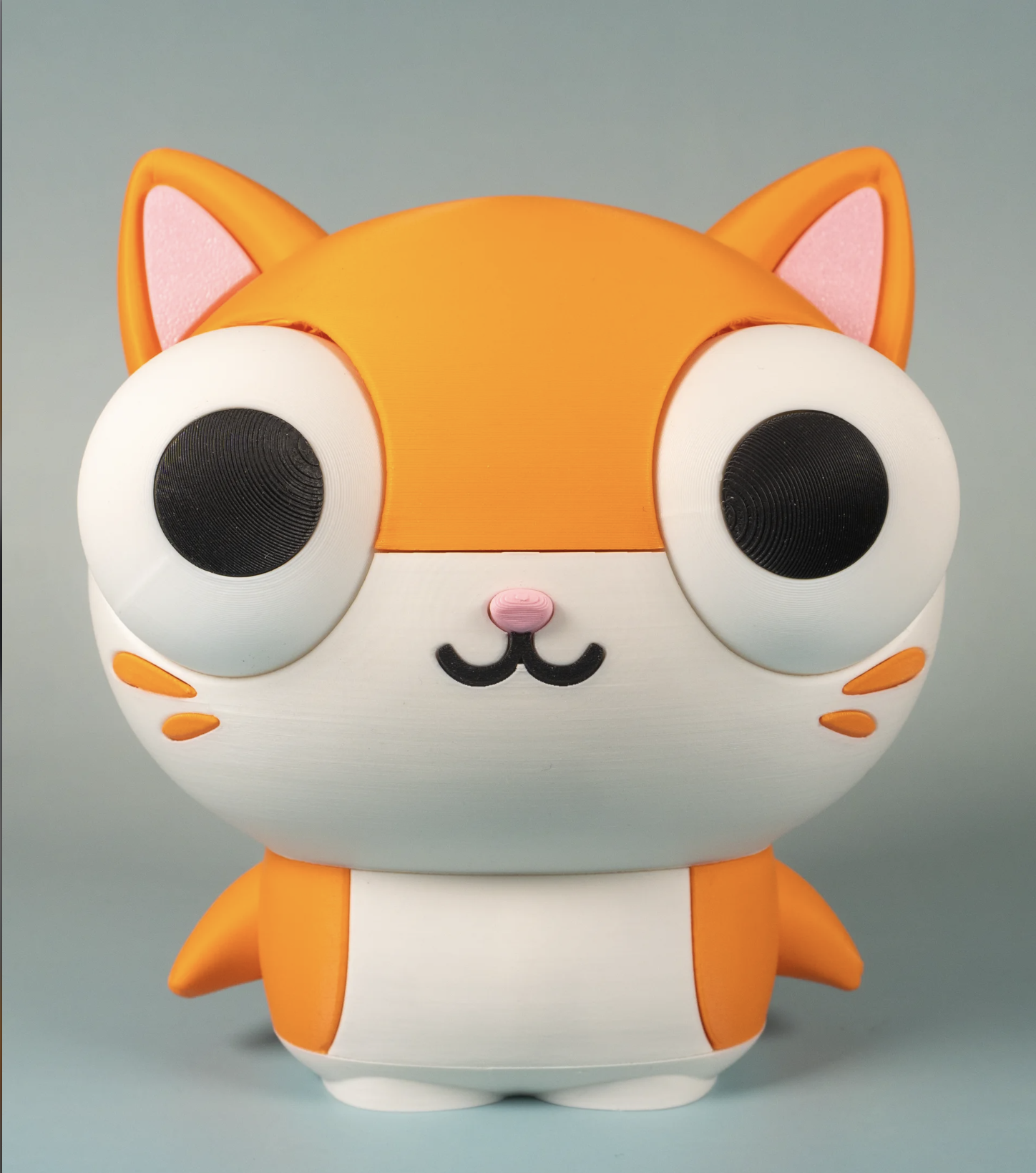
10 living room organisation products that actually work in small Indian homes — sofa caddies, shelf dividers, cable boxes & more. Ranked by usefulness per sq cm.
Indian living rooms operate under constraints that Western home organisation content rarely addresses: smaller square footage, multi-purpose rooms, shared family use, and the reality that most Indian apartments don't come with built-in storage.
The products that work best in Indian homes are ones that add function without consuming floor space, look intentional rather than utilitarian, and clean up easily given the dust levels in most Indian cities.
Here's the list — ranked by usefulness per square centimetre.
Why it's #1: Most Indian living rooms have one sofa that serves as the primary seating, TV-watching, and phone-charging spot for the entire family. The sofa armrest is the most contested surface in the home.
An armrest organiser creates four surfaces — phone slot, remote pocket, cup holder, and side caddy — in the space currently occupied by nothing. It's the definition of something from nothing.
Look for PLA+ construction for rigidity and easy cleaning. Fabric versions sag after three months.
Shop: CraftMindLab Home Decors
Remote, TV cable, set-top box cable, phone charger, laptop charger. Indian living rooms average 5–7 visible cables running across surfaces or hanging off walls.
A cable box hides a power strip and bundles cables into a single exit point. The difference in room appearance is immediate and significant. Choose a box with ventilation slots on the sides — hidden electronics need airflow.
Indian families tend to have a rotating pile of newspapers, magazines, and kids' textbooks that ends up on the sofa or the floor. A wall-mounted holder keeps it vertical, takes up zero floor space, and creates a visual cue for where things belong.
Mount at sofa height — 45–55cm from floor — so items are reachable while seated.
The console or TV unit drawer is the most abused storage space in Indian homes — a chaos of batteries, chargers, instruction manuals, and mystery cables.
A modular divider tray (typically 3–5 compartments, custom-sized to drawer width) converts this into organised storage with a designated spot for each category. Once organised, it stays organised because returning items to their slot is easier than dumping.
Flat bookshelves look cluttered. Risers at different heights — 5cm, 10cm, 15cm — create levels that display books, figurines, and plants in a way that reads as intentional design rather than accumulation.
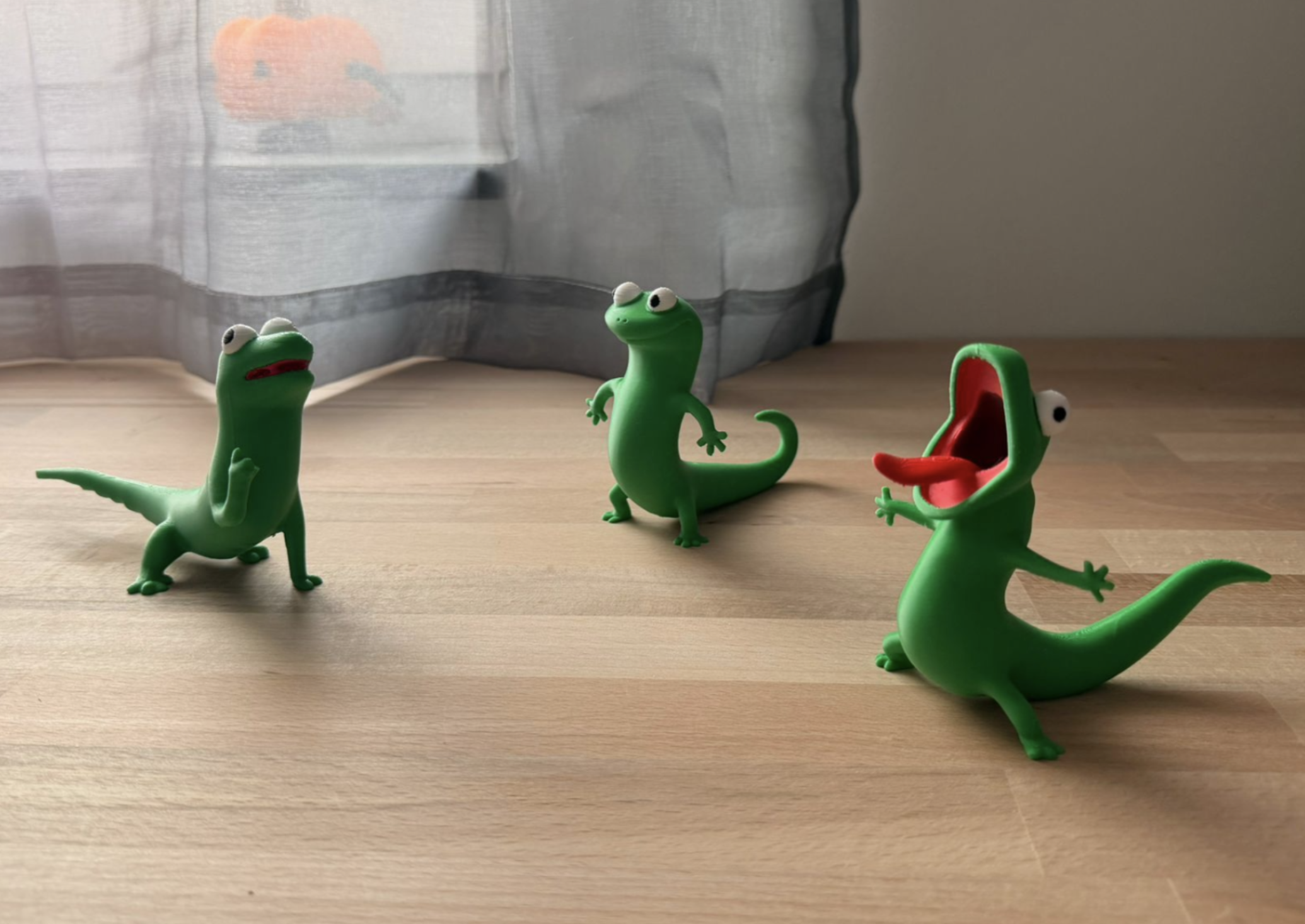
For the shelf aesthetic, pair risers with a few well-chosen decorative items. The Nomad Penguins work particularly well here — the trio's varying heights mirror the tiered riser structure.
Most households have three or more remotes. Most remotes end up between sofa cushions, under the coffee table, or lost entirely.
A wall-mounted remote holder — mounted 80–90cm high on the wall adjacent to the sofa — creates a consistent "home base" for remotes. The act of reaching to the wall creates a habit that keeps remotes from wandering.
Indian living rooms often have unused floor corners. A corner plant stand — typically a 3-tier vertical structure — uses this dead space to add greenery without encroaching on walking paths.
Sturdy construction matters: terracotta pots are heavy. Choose stands rated for at least 5kg per tier.
Different from an armrest organiser — this is a freestanding tray that bridges sofa cushions or slots into a gap, creating a mini side table. Useful when the actual side table is too far away.
Look for a base deep enough to wedge between cushions (6–8cm) and a tray surface wide enough for a plate + glass (minimum 25×20cm).
Multiple family members, multiple devices, one overloaded socket. A wall-mounted charging station consolidates phone charging in one designated spot — ideally near the living room entry so everyone dumps their phones on the way in.
Prevents the living room sofa from becoming a charging zone by default.
The best living room pieces earn their space by doing two things at once. A small figurine that also weighs down papers. A bookend that's also a sculpture. A tray that holds remotes but looks decorative.
In practice, this means choosing your decorative pieces carefully rather than just filling shelves. One well-made piece — like our hand-finished animal figurines — has more impact than ten generic decorative items.
---
Organise by asking one question for each item: where does this reliably return to?
If the answer is "wherever there's space," the item isn't organised — it's just temporarily located. Every item in a small living room needs a defined home that's easier to return to than to leave elsewhere.
That's what good organisation products do: they create homes that are easier to use than to ignore.
Browse the full CraftMindLab home collection for 3D-printed solutions built for Indian home dimensions and use patterns.
Shop the Collection
Handcrafted in India · Ships nationwide in 3–5 days
Shop More